Recycling of molds and bacteria for the treatment of plastic waste | Gadget theory
Samantha Jenkins, the leading biotech engineer from bio-manufacturing company Biohm, was studying different types of molds for a project for the company when she accidentally found something fascinating. A certain type of fungus tried to escape.
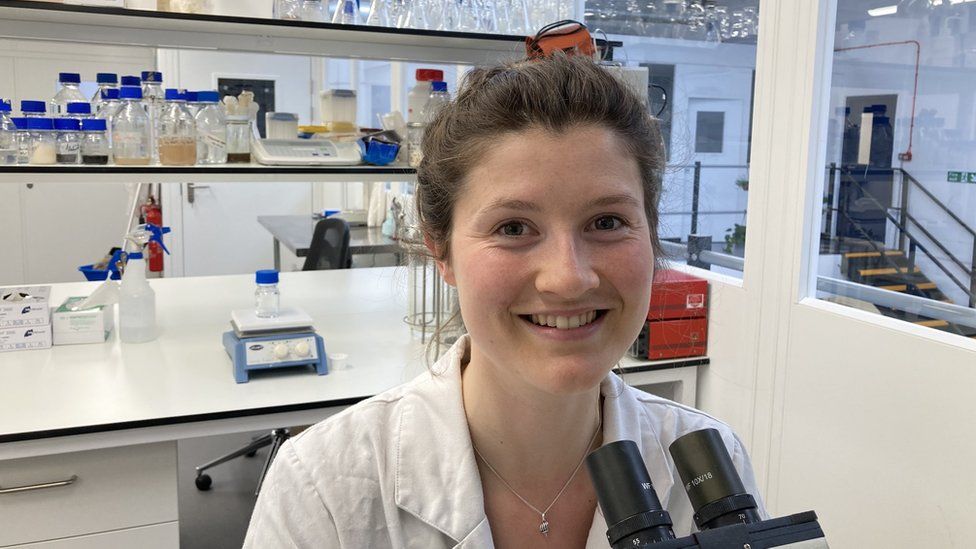
Samanthan Jenkins discovered a plastic eating fungus
Jenkins shared, “Imagine a pot full of grain with a kind of pill coming out of the top. It didn’t look particularly exciting or captivating. But as soon as it opened, it was very, very cool.”
The mold had eaten its way through the plastic that was meant to hold it in, easily degrading like any other food. The aim of the project was to control different strains of molds for possible use in bio-based insulation panels, but the mold had other plans.
Biohm has now shifted to develop this strain to make it even more efficient when eating plastic to help reduce plastic waste.
According to Greenpeace, the world had made about 6.3 billion tons of virgin plastic, of which only 9% was recycled. The rest of it was dumped off as incinerated in incinerators.
While things are improving, for example, 40% of plastic packaging in the EU is now recycled according to the BBC, there are certain types of plastic like PET (polyethylene terephthalate) often used for things like soft drinks, are very difficult to recycle in the traditional methods. That can biological methods intervene to help?
Jenkins tests the mold on polyurethane and PET. she shares: “You put plastic in, the molds eat the plastic, the molds make more mold and then you can make biomaterials out of it … for food, as food for animals, as antibiotics.”
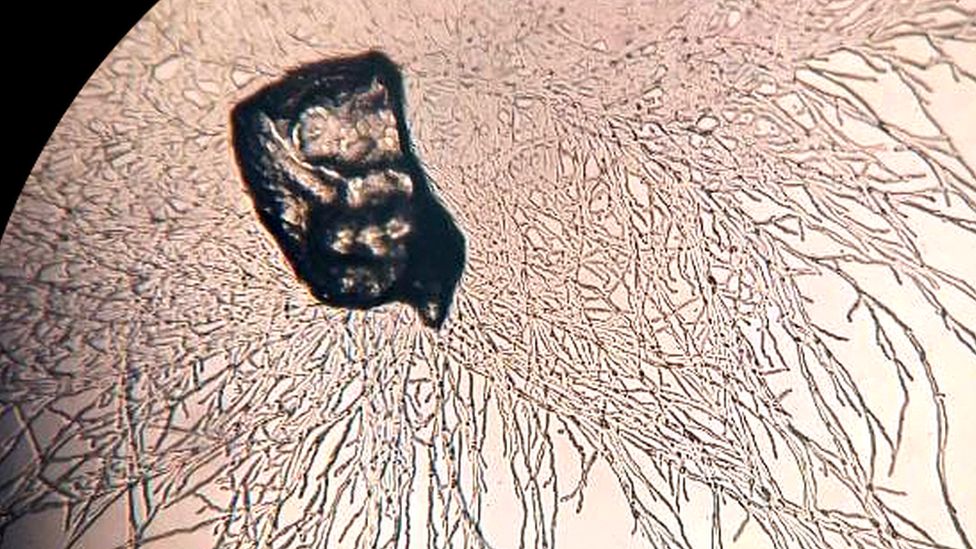
Bacteria decompose plastic under the microscope
Other labs have also found some success. Scientists at the University of Edinburgh found that a lab-manipulated version of E. coli bacteria could be transformed into terephthalic acid, a molecule derived from PET, through a series of chemical reactions.
Dr Joanna Sadler of the University’s School of Biological Sciences shared: “Our study is still in a very early stage, and we need to do more to find ways to make the process more efficient and economically viable. But it is a really exciting starting point, and there is potential that this may be commercially practical in the future after further improvements are made to the process.
A French company called Carbios uses a engineered version of an enzyme found in compost to break down PET. The company has partnered with L’Oreal and Nestle and has created the world’s first PET plastic bottles made from enzymatically recycled plastic.
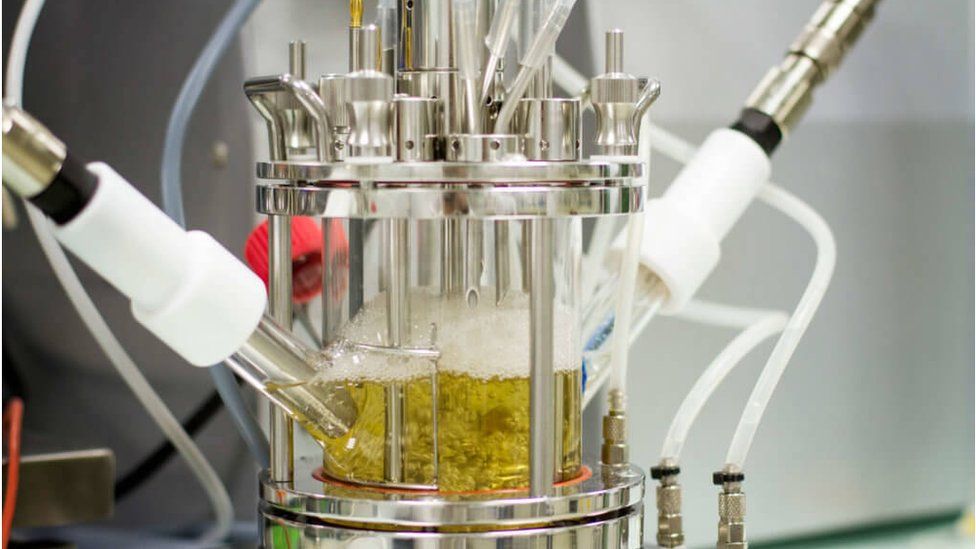
Carbios break down PET by using enzymes
Deputy Chief Executive Officer Martin Stephan shared: “With traditional methods such as mechanical recycling, to make an end product suitable for transparent bottles, you need transparent bottles as input. With our technology, every kind of PET waste is recycled into every kind of PET product. ”
Of the product, says Dr. Wolfgang Zimmermann of the Leipzig University Institute of Analytical Chemistry that there is definite potential. He said:
“Enzymes can be very useful because they are very specific, and it does not cause contamination if the packaging is still dirty. And they do not use much energy. The other thing is that it can be easily scaled up and down. Enzymes would have the advantage that they can consist of small units that have a low carbon footprint, and they can be outside metropolitan areas in developing countries or remotely.
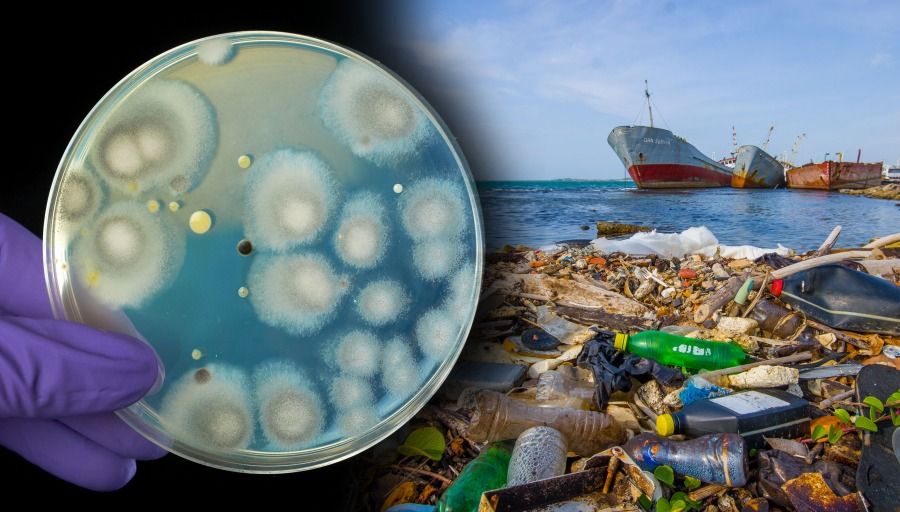
Could this be the solution?
However, there is a caveat. Dr Zimmermann shared: “PET bottles can be recycled with this enzyme back to new bottles, but unfortunately PET bottles are highly crystalline and highly resistant to degradation of enzymes, so the company had to introduce an additional pre-treatment where they actually contained a “a lot of extra energy to melt the material and extrude it to reduce the crystallization. Then you can degrade it with the enzyme – but economically, and also in terms of carbon footprint, it does not make much sense in my opinion.”
Mr. Stephan admits that “a lot of work lies ahead for us,” as “We have developed end-of-life technologies from just two polyesters, representing about 75 million tons of annual production, compared to a global plastic production of about 350 million tonnes. “
Comments
Post a Comment