AI failed to cut the Rembrandt painting 300 years later | Gadget theory
Painful research and artificial intelligence came together to help recover The Night Watch, a painting by Rembrandt van Rijn, to its full and original size, according to the Associate Press. It was cut down centuries ago to fit a small wall. The restoration work, part of the Operation Night Watch project, is now on display in the Honor Gallery at the Rijksmuseum in Amsterdam.
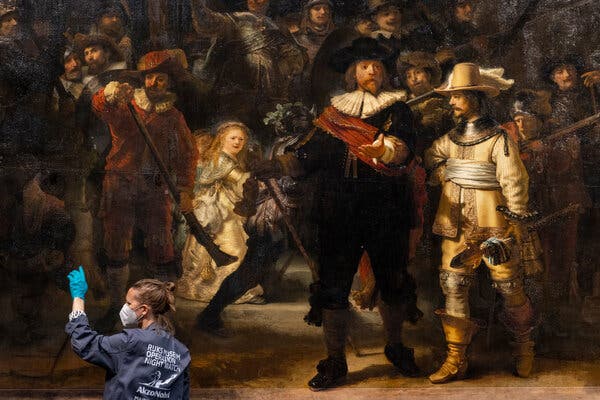
The efforts to restore the Night Watch
The original painting can now be seen flanked by print strips that fill in the missing parts. Originally completed in 1642, The Night Watch used to hang in the clubhouse of the civil militia where it was inspired by. After it was moved to a new location 70 years later, the painting was trimmed to fit the smaller wall of the new location.
The missing pieces were never recovered, but researchers were able to merge and reconstruct the missing segments based on a smaller copy of the painting painted by Gerrit Lundens.
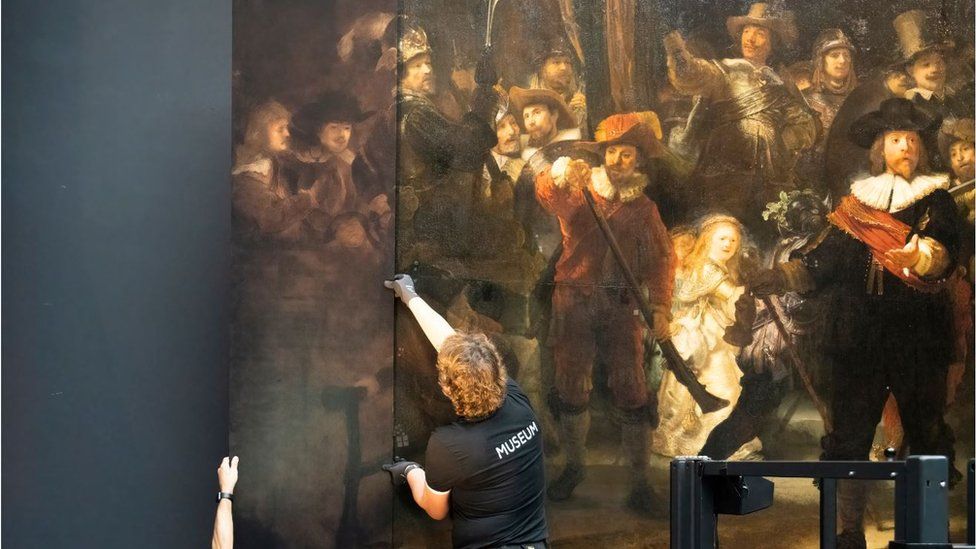
The Night Watch With Its Reconstructed Sheltered Segments
For two years, X-rays, scans and 528 digital exhibits were made from the original painting to train the model of artificial intelligence to imitate Rembrandt’s style. Once this was completed, the AI could use Lunden’s copy to emulate Rembrandt’s style.
Museum director Taco Dibbits said: “Rembrandt would have done it really nicely, but this comes very close.” Museum visitors will now be able to see the restored painting, as well as the new details recreated from the original that were cut out without ceremony. There are two new faces and a small child to see. With this recreation we can see the painting in a new light, 300 years after it was cut down.
For those who can not visit the Rijksmuseum in Amsterdam, it is possible to look for a high-resolution scan of the original updated painting. This scan is detailed enough that it shows the cracks and even the individual brush strokes that the Dutch artist left on the canvas.
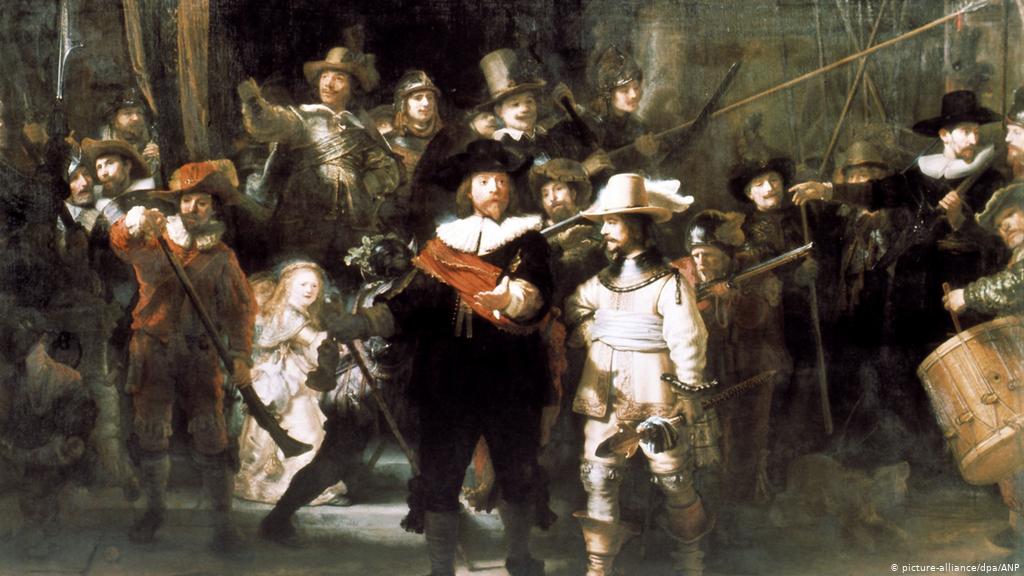
The Night Watch
Comments
Post a Comment