How Scientists and Farmers Team Up to Design Food | Gadget theory
You might not know it, but the old fashioned flavor is totally old fashioned. What does it mean? Finding fruits and vegetables that taste really good can be very difficult, especially with the expectations of supermarkets. Franco Fubini, founder of fruit and vegetable supplier Natoora, said: “Flavor is definitely a re-emerging trend. “
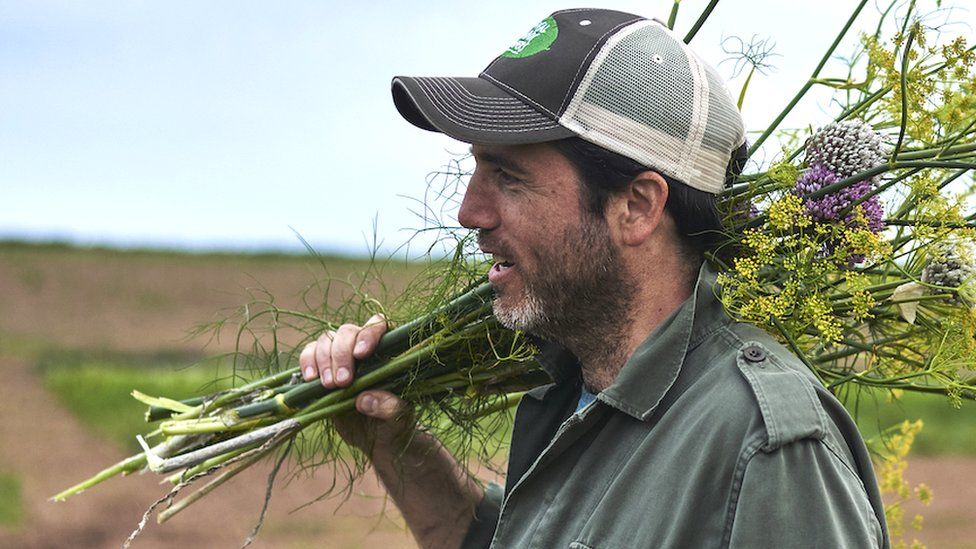
Franco Fubini founded Natoora
Fubini continued, “They started to require varieties to have a longer shelf life, so for example in the case of a tomato, it has a thicker skin, so the skins don’t split more easily; a tomato which may ripen faster, which can absorb more water. o Over time, you grow your varieties for attributes other than flavor. The flavor attribute is starting to lose importance, and as nature has done, if you breed for other traits, you breed flavor.
Natoora specializes in choosing seasonal produce that has the ultimate flavor and then selling them to upscale stores and restaurants around the world.
According to Fubini: “Part of this renaissance is coming from restaurants because chefs have a lot of influence. This and the journey both spurred this renaissance of flavor, this search for flavor.
Breeders and researchers are teaming up and using sophisticated approaches to create flavorful fruits and vegetables while maintaining the traditional flavors we know and still making supermarkets happy.
Professor Harry Klee of the Department of Horticultural Sciences at the University of Florida is researching the genetic and chemical makeup of fruit and vegetable flavors, with a focus on tomatoes.
He shared, “The tomato has been a long-term model system for fruit development. It has a short generation time, large genetic resources and [is] the most economically important fruit crop in the world. It was only the second plant species to obtain a complete genome sequence – a great aid for the study of the genetics of an organism.
The vegetable flavor is complicated; when it comes to tomatoes, its flavor comes from the interaction between sugars, acids and compounds from amino acids, carotenoids and fatty acids.
Professor Klee seeks to identify the genes responsible for controlling the synthesis of volatile flavor compounds in order to create the best tasting tomatoes.
He shared, “It’s not quite at the stage where we’ve finished assembling the top flavor traits into one line, but we plan to be there in about a year.”
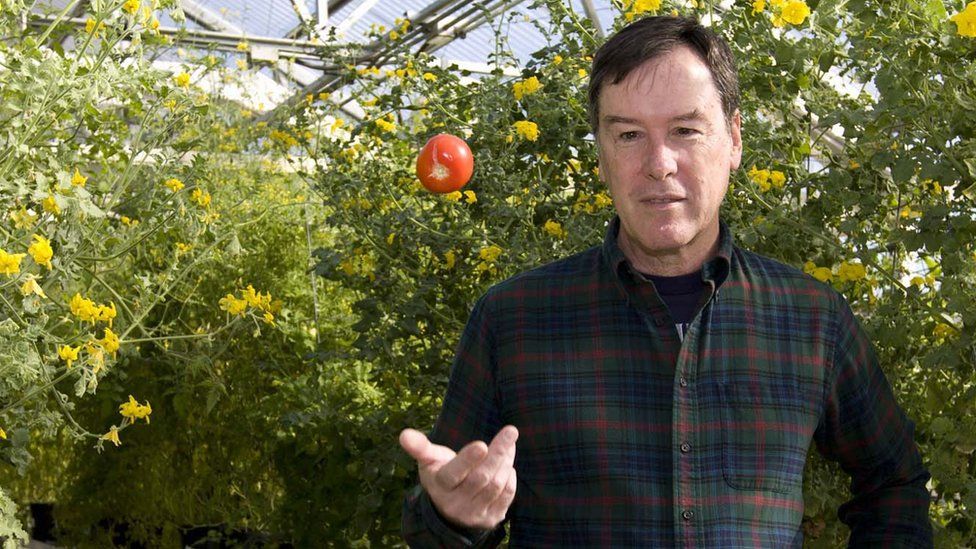
Professor Harry Klee studies tomatoes
Genetic manipulation can be used to achieve this, and in the United States, the company called Pairwise is working on new varieties of CRISPR products, licensed by Harvard, Massachusetts General Hospital, and the Broad Institute.
Pairwise co-founder Haven Baker said, “We’re making very small changes to one or two pieces of DNA. This type of gene editing is considered “non-GM” or non-genetically modified in North America, South America and Japan. In Europe, it is subject to very strict regulations.
However, some producers in the United States still disagree with this, including Mr. Fubini. He said: “We’re not fans of this at all. While sometimes well-done innovation might work well, we believe in tradition and not necessarily messing things up – and going back to nature and the way nature works.
There are many ways to improve the health and flavor of fruits and vegetables, and this is just the beginning of scientific ways to intervene with nature.
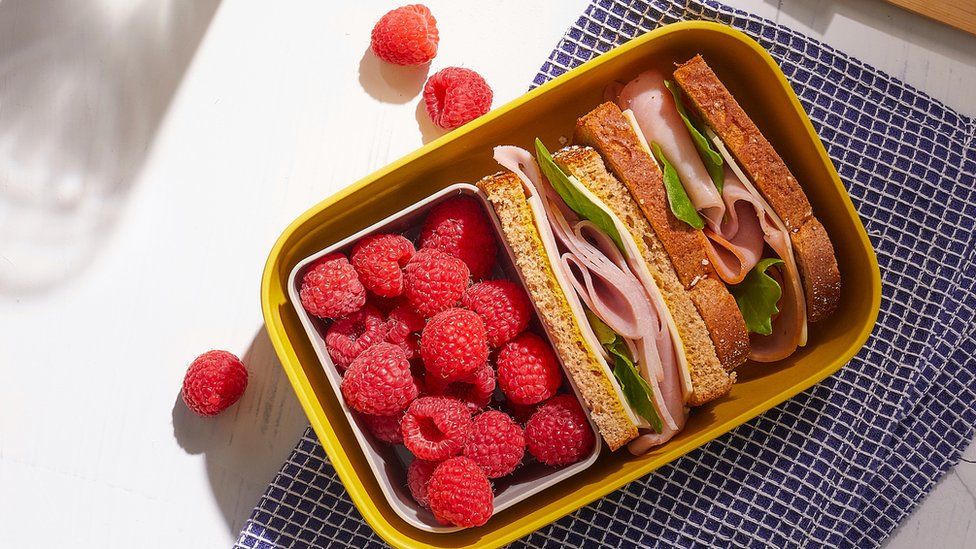
Pairwise creates new varieties of fruit such as raspberries
The article How Scientists and Farmers Team Up to Design Food first appeared on Gadgetheory.
Comments
Post a Comment