Is AI music the medicinal soundtrack of our future? | Gadget theory
They say music is the best medicine, and most of us would totally agree with that sentiment. A company called MediMusic in Kingston upon Hull in the East Riding of Yorkshire, England, aims to combine health and music technologies to achieve powerful healing effects. The company claimed that by using AI-designed patient-friendly playlists it was able to reduce pain and anxiety.
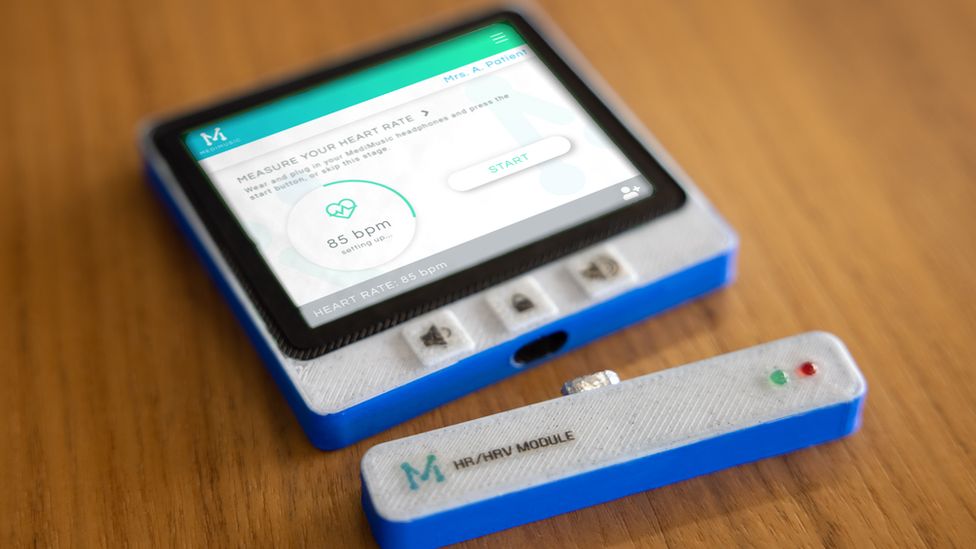
Patients are connected to heart rate monitors while listening
Founder Gary Jones said BBC technical tent that the company has developed algorithms that organize playlists of up to 400 tracks, each with a specially designed and tailored effect that is measured for the patient.
He shared, “They put on the headphones, they listen to music, and over a period of time what will happen is their heart rate will go down, blood pressure will go down, production of cortisol, the hormone. stress, will decrease. “
The patient wears a heart rate monitor on the wrist, which will then monitor the physiological effect of music on the patient. MediMusic says its Digital Drip system uses machine learning to track and trade tracks that don’t get the desired result.
The NHS took note and started testing the technology in hospitals. Dr Jacqueline Twamley, head of innovation at the Lancashire Teaching Hospitals NHS Foundation Trust, said MediMusic’s technology has been used with patients with dementia.
She said: “If we know that something is going to be difficult for a patient, or a patient is going to become restless, then we can try the music system before that and see if that helps keep them settled.”
She said the music aroused a variety of emotions. She said: “Some patients say they were sad when it ended. We had a patient who started to cry which was alarming. But he later said it brought back such fond memories.

AI-powered stress relief readlists for patients
In addition to the emotional reactions, Dr Twamley said there were also measurable effects like decreased cortisol and lower heart levels.
Patients with dementia have experienced a drop in heart rate of up to 22%, which could lead to significant reductions in drug bills in some areas.
The question is whether AI-generated playlists are more effective than those you would organize yourself. Gary Jones says research indicates playlists you create yourself won’t elicit the same physical responses such as reduced heart rate, and confidently says the technology can be prescribed to patients and medical staff.
For now, there is still a lot of research to be done and healthcare providers will surely want to see more data before investing in this technology.
Comments
Post a Comment