No more blocked sidewalks: Remote controlled scooters being tested | Gadget theory
While the electric scooter has exploded in popularity since it was first introduced in 2017, a major drawback of the device is that many complained that riders would simply hand them over once they had ridden, causing many sidewalks to be blocked .
Spin, the scooter company owned by Ford, is testing a possible solution to this problem.
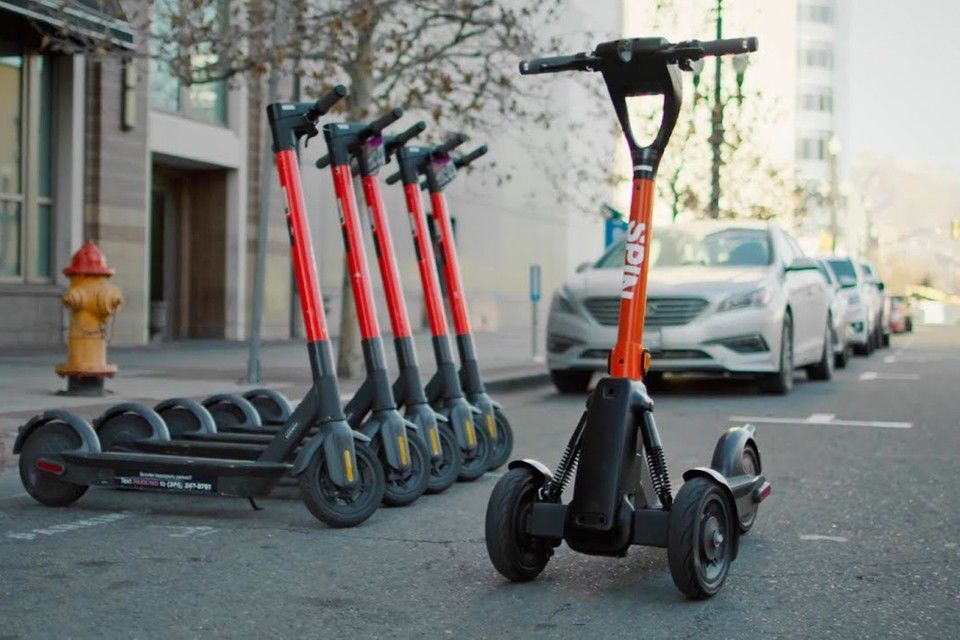
Spin remote controlled scooter
First, these scooters look different from the rest of the scooters on the streets. These are Degways T60 models that have a third wheel added to the front of the scooter.
The scooters also have sensors from the start Tortoise, which tests how telecommunications operation can help control shared electric scooters. Spin plans to roll out 250 remote-controlled scooters in Boise, Idaho to see if this can help the problem.
Turtle sensors allow the scooter’s front and rear facing cameras to give operators remote access to move the scooters when blocking roads or sidewalks. This means that the scooters may be able to move a few blocks to meet riders.
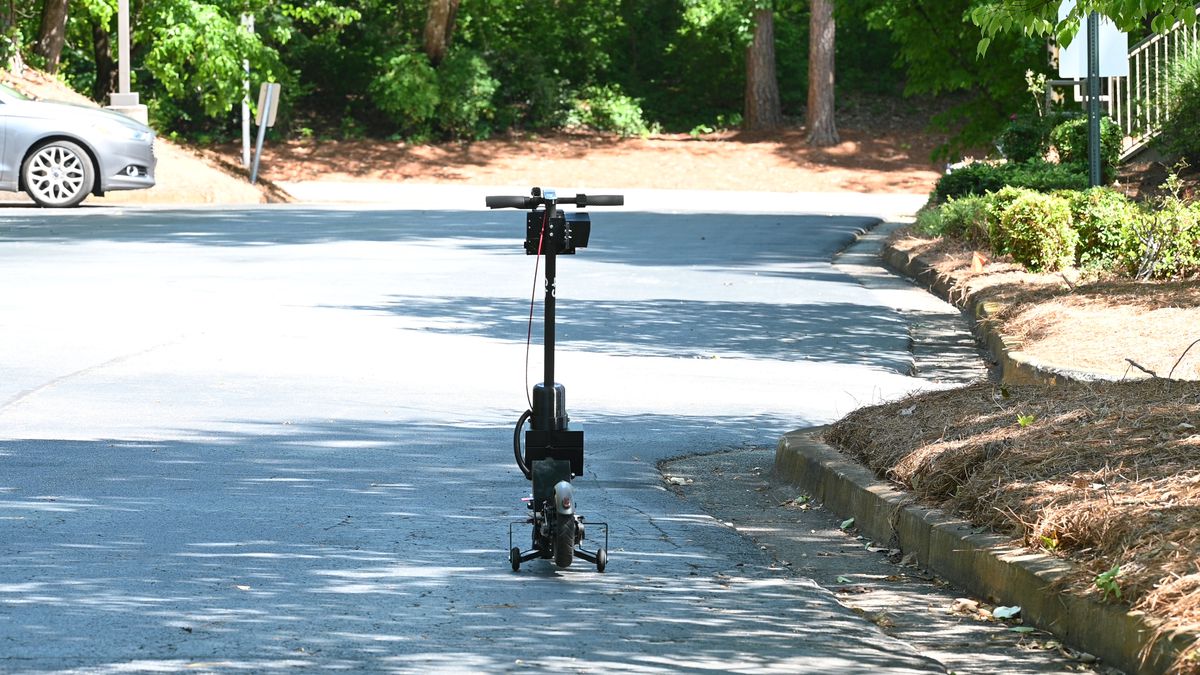
This can help with blocked sidewalks
Ben Bear, business director at Spin, says: “There has been a lot of fanfare around the potential of telecommuting e-scooters, but this partnership marks a turning point in tangible operating plans to bring them to the city streets.”
Bear continues: “In addition to providing consumers with reliability and more order in the city streets, this can significantly improve the unit economy and reduce the operational work required to maintain and relocate fleets, while reducing mileage spent traveling to. to rebalance vehicles. “
The problem that these remote controlled scooters aim to solve has existed since the beginning of the electric scooter days. Currently, freelance contractors assemble scooters at night to charge and rebalance the scooters. Since contractors are paid for every scooter they assemble, this had led to arguments, fights and sometimes even threats of violence.
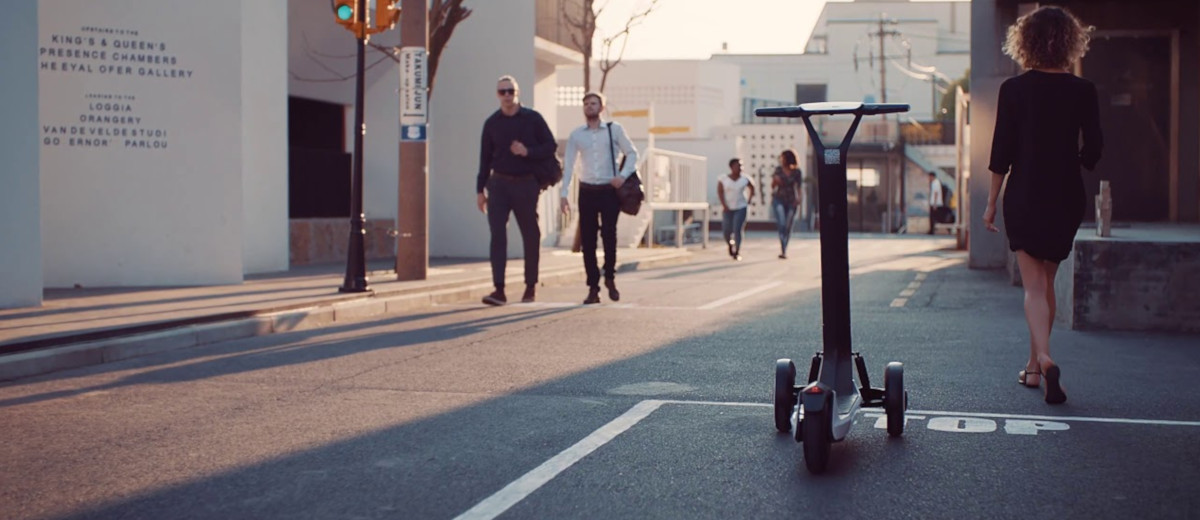
Scooters will eventually be able to move to the rider
Riders will often struggle to find an accessible scooter close to where they are located. Scooters often block footbridges for pedestrians along sidewalks. This is especially true for people in wheelchairs and other pedestrians who have mobility problems.
Scooters end up being concentrated in certain places around the cities, and the cities have also brought up the fact that scooters are often not found in low-income areas.
In theory, once a rider has finished riding, Tortoise’s telecom operators will be able to remotely locate the scooter, whether it is obstructing the sidewalk or being dropped off at a location that is not convenient for other riders.
Spin has shared that it will also add a “scooter hailing” feature that lets riders request a scooter in advance or in real time.
Comments
Post a Comment